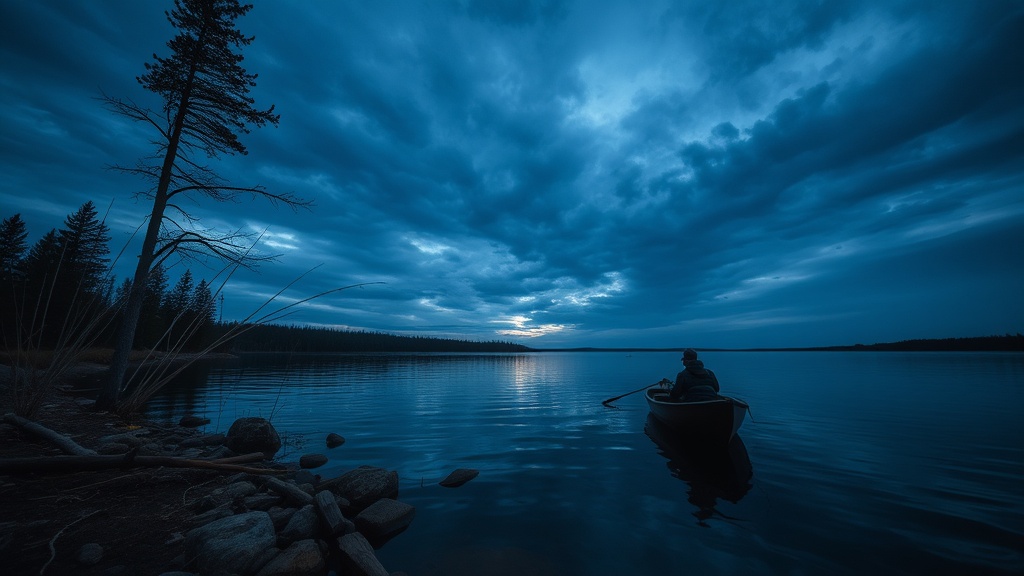
Finding Your Perfect Fishing Spot on Lake of the Woods

Imagine you’re sitting in your boat near a rocky outcrop near Sand Island, the sun is just hitting the water, and suddenly, your line pulls hard. That's the feeling of a successful morning on Lake of the Woods. This guide breaks down the different ways to find your ideal fishing spot based on your skill level, the species you're targeting, and the specific gear you're using. We'll look at the geography of the lake, the seasonal movements of fish, and how to read the water like a local.
Where are the best places to fish on Lake of the Woods?
The best places to fish on Lake of the Woods depend entirely on whether you are looking for Walleye, Muskie, or Smallmouth Bass, as each species occupies different depths and structures. If you want consistent Walleye, you'll want to focus on the transition zones between deep basins and shallower rocky points. For Muskie enthusiasts, the focus shifts to the edges of weed beds and submerged timber.
The lake is massive—over 4,000 square kilometers of water and thousands of islands—so you can't just wander aimlessly. You need a strategy. Are you looking for a quick afternoon catch or a week-long expedition? Your answer changes everything.
Targeting the Big Three: Species and Locations
Most folks coming to Kenora are after one of three things. Here is how to approach each one:
- Walleye: These are the bread and butter of the region. You'll find them in deeper water during the heat of the day and moving into shallower, rocky structures as the sun sets.
- Smallmouth Bass: These fish love structure. Look for rocky points, sunken reefs, and even the edges of docks.
- Muskie: The "fish of ten thousand casts." You'll find them near heavy cover—fallen trees, thick weed beds, and the edges of large islands.
If you are serious about your gear, don't settle for cheap lures. I've seen people try to catch a Muskie with a light setup, and it's a recipe for heartbreak. A heavy-duty rod from a brand like Shimano or St. Croix makes a massive difference when a big one hits.
What gear do I need for Lake of the Woods?
The gear you need depends on your target species and the depth of the water you're fishing. A versatile setup involves a medium-action spinning rod for Walleye and a heavy-duty casting rod for Muskie.
If you're out on the water, you'll want to be prepared for changing weather. The wind on this lake can pick up in a heartbeat. I always keep a Patagonia dry bag on the boat to protect my electronics and extra line. It's not just about the fishing; it's about not losing your gear to a sudden downpour.
| Target Species | Preferred Lure Type | Rod Strength | Typical Depth |
|---|---|---|---|
| Walleye | Jigs & Leeches | Medium | 15-30 ft |
| Smallmouth Bass | Crankbaits/Soft Plastics | Medium-Heavy | 5-15 ft |
| Muskie | Large Spinners/Jerkbait | Heavy | Variable |
Don't forget the electronics. A high-quality fish finder—something like a Garmin or Humminbird's GPS-enabled units—is a game-changer when you're trying to locate deep-water holes. It's hard to find fish if you can't see the bottom structure.
How do I find fish in different seasons?
Fish movement on Lake of the Woods follows a predictable pattern driven by water temperature and spawning cycles. You can find success in any season if you know where to look.
In the spring, the focus is on the shallow, rocky areas where spawning occurs. This is when the fish are most active but also most sensitive to noise and heavy boat traffic. By mid-summer, the water gets warmer, and the fish move deeper to find cooler, oxygen-rich water. This is when you'll see a lot of folks using deep-diving crankbaits or heavy jigs.
Fall is a different beast entirely. The water temperature drops, and the fish are focused on eating as much as possible to prepare for winter. This is prime time for big predators. If you want to see how locals actually spend their time when they aren't working, check out my post on how locals spend a weekend in Kenora—it often involves a lot of time on the water.
Winter fishing is a specialized skill. You'll be looking at ice fishing on the shallower bays. It's a much slower pace, but the rewards can be huge if you find the right thermocline. You can check the Ontario Fishing Regulations to ensure you're following the current rules for size and catch limits, as they can change.
Pro Tips for Success
- Watch the Wind: Wind creates much-needed oxygen and pushes baitfish toward certain shores. If the wind is blowing against a point, that's where the fish are.
- Check the Depth: Never assume the fish are where the map says they are. Use your electronics to verify depth and bottom type.
- Vary Your Depth: If you aren't getting bites, change your lure or your depth. A fish that wasn't interested at 10 feet might strike at 15 feet.
- Respect the Limits: Always keep an eye on the Lake of the Woods ecosystem. We want these fish to be here for years.
One thing I've learned over the years is that the best fishing often happens when you're willing to move. Don't sit in one spot for three hours if the fish aren't biting. If the bite dies down, move to the next structure. It might be a twenty-minute boat ride, but it's worth it.
When you're out there, remember that the lake is a living, breathing thing. The weather changes, the currents shift, and the fish move. Being adaptable is the most important tool in your tackle box. If you're looking for a way to relax after a long day of fishing, you might enjoy a quiet evening at one of the best sunset picnic spots near the water.
It's easy to get frustrated when the fish aren't biting, but that's part of the experience. Sometimes the best part of the day is just being out on the water, away from the noise of the world. Just keep your lines in the water and keep an eye on your depth finder. The big one is always out there—you just have to find it.