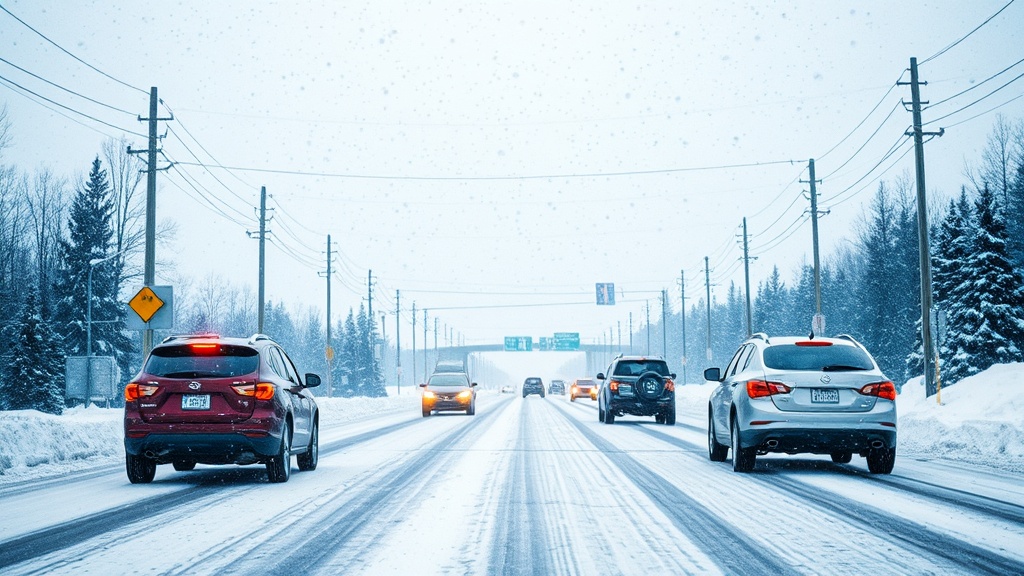
How to Stay Safe on Kenora Roads When Winter Weather Hits

When the first serious snowfall blankets Kenora, our streets transform—and so must our driving habits. This guide covers everything you need to know about navigating Kenora roads during winter, from understanding the city's snow clearing priorities to preparing your vehicle for the conditions that Lake of the Woods weather can throw at us.
What Is Kenora's Snow Removal Priority System?
Kenora's Public Works department follows a clear hierarchy when clearing roads after a snowfall—and knowing this helps you plan your routes and your patience.
Priority 1 routes get attention first. These include Main Street, the Trans-Canada Highway corridor through town, and critical access routes to the hospital and emergency services. You'll see plows out on these roads within hours of accumulation starting.
Priority 2 covers our main collector roads—streets like Matheson Street, Second Street South, and the routes connecting our neighbourhoods to those main arteries. These typically see plows once the Priority 1 routes are clear, usually within 12-24 hours of a significant snowfall.
Priority 3 is where most of us live—residential streets, cul-de-sacs, and lanes. These might not see a plow for 24-48 hours after a major storm. If you live in Norman, Rabbit Lake, or the residential pockets off Golf Course Road, plan accordingly. The city posts updates on their official website when clearing operations are active.
Here's something newcomers learn quickly—sidewalk clearing in Kenora is the responsibility of property owners. The city maintains select multi-use paths and the downtown core, but if you're walking along a residential street, the cleared path depends on neighbours doing their part. Boots with good grip aren't optional here—they're survival gear.
How Do I Prepare My Vehicle for Kenora Winters?
Our community sees temperature swings that can shift forty degrees in a week. Your vehicle needs to handle everything from freezing rain on Highway 17 to the deep cold snaps that settle in during January.
Winter tires are non-negotiable. All-season tires harden below 7°C and lose grip—something you'll notice immediately on the curves of Tunnel Island Road or the hill down to the waterfront. Winter tires use softer rubber compounds designed for cold weather, and the difference in stopping distance on snow-covered pavement can be the difference between a close call and a collision.
Battery health matters more than you think. At -25°C, a marginal battery loses most of its cranking power. If your battery is more than three years old, get it tested before December hits. Kenora's Canadian Tire and Napa Auto Parts both offer free battery testing—take advantage of it.
Pack an emergency kit and keep it in your vehicle all winter. Include a blanket, candle and matches, energy bars, a flashlight, and a small shovel. If you slide off into a ditch on a rural road outside town—maybe heading toward Sioux Narrows or down Highway 71—cell service can be spotty and help might take time to arrive. Being self-sufficient for a few hours isn't paranoia; it's preparation.
Windshield washer fluid rated to -40°C is the only kind that belongs in your reservoir here. The cheaper stuff freezes on contact with a cold windshield at highway speeds, leaving you effectively blind. Stock up at Home Hardware or Walmart when it's on sale in October.
Where Are the Most Dangerous Winter Driving Spots in Kenora?
Every local has their list of roads that demand extra respect from November through April. Here are the trouble spots you should know about.
The Harbourfront area—particularly the approach to the Keewatin Bridge—gets slick quickly. The combination of lake-effect moisture, shade from the bridge structure, and heavy traffic creates ice patches that persist even after other roads are clear. Take the corner from Main onto First Street slowly, even when the rest of your drive has been uneventful.
Matheson Street Hill between Second and Fourth Streets has caught many drivers off-guard. It's steep enough that momentum matters, and stopping on the incline when it's icy is nearly impossible. If you're heading northbound and the light turns red at Fourth, hang back rather than positioning yourself on the slope.
The highway intersections at 17 and 17A require special attention. The traffic volume and speed differential between local traffic and through-trucks means you need to be fully committed when merging. In winter, that commitment includes knowing whether your tires can handle the acceleration lane's condition.
Unpaved rural roads around Kenora—whether you're heading to a property off Hwy 641 or accessing lake communities—become nearly impassable during the spring thaw and can be treacherous with just a dusting of snow over frozen ruts. Four-wheel drive helps, but it's not magic. If you don't have experience reading winter road surfaces, stick to paved routes.
What Should I Do If I Get Stuck or See an Accident?
Despite our best preparations, winter surprises happen. Knowing how to respond keeps a bad situation from becoming worse.
If you find yourself stuck in snow, first assess whether you're in a safe location. If you're on a travelled road like the Trans-Canada or a busy street, staying in your vehicle is usually safer than standing outside. Turn on your hazard lights, call for assistance, and wait. Kenora's OPP detachment and local towing services are familiar with winter extrications.
For non-emergency situations—your car won't start at home, you're stuck in a parking lot—the Kenora Bulletin Board Facebook group often has locals willing to help with a boost or a pull. Our community looks out for each other when the weather turns harsh.
When you witness an accident, your first call should be to 911 if injuries are apparent. For single-vehicle slides into ditches or fender-benders without injuries, the OPP non-emergency line or simply helping direct traffic around the scene can be appropriate. During major storms, emergency services get overwhelmed—use judgment about when police presence is truly necessary.
The City of Kenora maintains a road conditions page during winter months, and Ontario 511 provides real-time highway conditions. Check both before heading out when weather is questionable.
How Can I Stay Updated on Road Closures and Conditions?
Information flows through several channels in our community, and knowing where to look saves frustration.
The City of Kenora's social media accounts post updates about snow clearing operations, parking bans for plowing, and road closures. During major storms, these updates typically come twice daily. Sign up for notifications if you haven't already.
Local radio—93.5 FM (CJRL) and 89.5 FM—remains vital for winter updates, especially during power outages when internet and cell service might be disrupted. The morning shows include regular traffic and weather segments that cover conditions on the highways and within town.
The Kenora Daily Miner and News maintains an online presence with breaking weather coverage, though their print edition has reduced frequency. Their website and Facebook page are worth checking when significant weather is forecast.
Word of mouth still matters here. Ask your neighbours, the person ahead of you at the post office, or the staff at Safeway what the roads are like. Local knowledge fills gaps that official channels miss—a section of road that always ices over, a back route that's clearer than the main streets.
Winter driving in Kenora isn't about being fearless; it's about being prepared, patient, and informed. The same lake that gives us those spectacular summer sunsets delivers snow squalls and freezing rain that can challenge even experienced drivers. Respect the conditions, know your routes, and remember that arriving ten minutes late is infinitely better than not arriving at all. Our community has weathered worse winters than this one, and we'll get through this one too—together, safely.