Which Kenora Walking Routes Reveal the City's Hidden History?

Where Can You Walk Through Kenora's Past Without Leaving the Present?
Kenora's streets hold more stories than most of us realize. While we drive down Second Street South or stroll through the waterfront district, we're passing layers of history—logging camps, railway expansions, and the everyday lives of people who built this community from the ground up. For residents who want to connect with where they live, walking through Kenora's historic corridors offers something no tourism brochure can capture: the feeling of understanding your own neighbourhood a little better.
This isn't about visitor attractions or guided tours for out-of-towners. These are the routes locals can take on a Saturday morning, after work, or whenever the Lake of the Woods air feels right for a wander. Each path connects you to the Kenora that existed before us—and the one we're still shaping.
What Historical Gems Hide Along Kenora's Waterfront Promenade?
The Lake of the Woods waterfront isn't just pretty scenery for summer tourists—it's the reason Kenora exists at all. Start your walk at the harbourfront near the Kenora Recreation Centre and head toward the Whitecap Pavilion. This area was once the industrial heart of the community, where steamboats unloaded supplies and the commercial fishery kept families fed through long winters.
As you walk, notice the old railway bridges and the way the shoreline has been reshaped over decades. The Kenora Thistles monument near the harbour pays tribute to the 1907 Stanley Cup champions—yes, Kenora is the smallest town to ever win hockey's ultimate prize. Most locals pass this statue without reading the plaque, but it represents something worth remembering: this community has always punched above its weight.
Continue toward Coney Island (locals know it better than visitors ever will). The walking path here follows routes that paperboys, factory workers, and dock labourers used for generations. In the early morning, you'll still see Kenora residents walking their dogs, fishing from the shore, or simply sitting on benches that have hosted decades of conversations.
Which Downtown Streets Still Show Kenora's Early 20th Century Character?
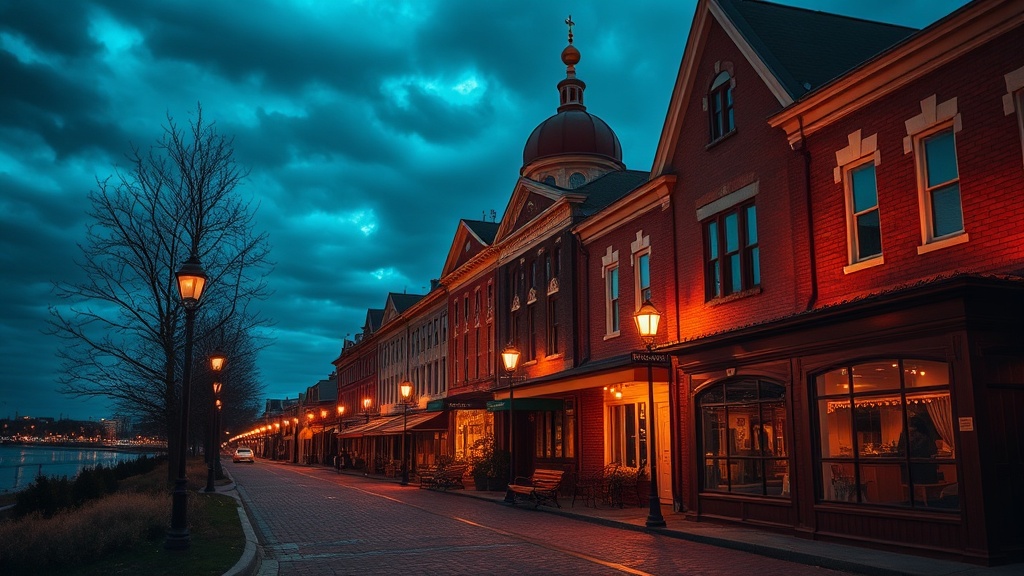
Main Street South and the surrounding blocks tell the story of Kenora's commercial growth. Start at the post office and walk toward the intersection with Second Street South. Look up—seriously, look up—at the upper floors of many buildings. Those ornate brick facades and decorative cornices date from the 1910s and 1920s, when Kenora's mining and forestry industries brought prosperity and ambitious architecture to a remote Northwestern Ontario town.
The Kenora Legion Building on Main Street holds community memory in its walls. Stop by the Kenora Public Library on Tunis Street to see historical photographs of these same streets when horses still pulled delivery wagons. The library's local history collection includes maps showing how the street grid expanded as the population grew—useful context for understanding why certain intersections feel the way they do.
Walk down First Street South toward the courthouse. The Kenora District Courthouse dominates the street with its imposing stone presence, a reminder of when this town became the administrative centre for a vast region stretching toward the Manitoba border. The grounds here have hosted protests, celebrations, and countless everyday moments in civic life.
What Stories Echo Through the Residential Neighbourhoods Around Rabbit Lake?
North of the downtown core, the Rabbit Lake area offers a different kind of historical walk. The streets here—Matheson Street, Park Street, and the connecting avenues—were developed during Kenora's mid-century growth periods. The housing styles change as you walk: modest wartime bungalows give way to larger family homes built during the 1960s and 1970s when the pulp and paper mill provided steady employment.
This neighbourhood connects to Veterans Park, a green space that honours local service members. The walking trails here aren't just recreation—they're the same paths that connected residential areas to schools and shops before car ownership became universal in Kenora. Notice how the streets curve around natural features rather than cutting through them; early planners worked with the rocky Canadian Shield terrain rather than against it.
The Rabbit Lake area also contains some of Kenora's oldest continuous residential blocks. Some homes here have been owned by the same families for three generations. Walking these streets in early evening, when porches are occupied and neighbours chat across lawns, gives you a sense of how community bonds persist even as the city's economy and demographics shift.
How Can You Explore Kenora's Industrial and Labour History on Foot?
For a different perspective, walk the area around the former pulp mill site and the industrial corridor near the harbour. The Mill Street area has transformed dramatically, but remnants of Kenora's industrial past remain visible if you know where to look. The old warehouses, the railway spurs, and the shoreline modifications all speak to an era when manual labour defined daily life for thousands of local families.
The Kenora & District Museum on Main Street (housed in a former railway station) provides context for what you're seeing. Their exhibits explain how the commercial fishery, logging operations, and manufacturing plants created the economic foundation that built our schools, hospitals, and community institutions. Even if you've lived here for decades, the museum's collection of photographs and artifacts reveals details about familiar streets that you've never noticed.
Walk toward the harbour and watch for the McLeod Park area, where interpretive signage explains the relationship between Kenora's development and the Lake of the Woods ecosystem. This connection—between industry, environment, and community survival—is the underlying story of this entire region.
Why Does Walking These Routes Matter for Kenora Residents Today?
Understanding how Kenora grew helps us participate more thoughtfully in decisions about where it's going. When you walk past the old commercial buildings downtown, you see the physical evidence of past economic transitions—from fur trade to forestry, from mining to tourism and services. Each transformation left marks on the streetscape.
For local residents, these walks offer something beyond historical education. They reconnect us with the physical reality of our community during a time when so much interaction happens through screens. Walking from the waterfront up through the downtown core, then into the residential neighbourhoods, you experience the actual scale of Kenora—the distances, the sightlines, the way natural and built environments interact.
The city has changed significantly even in the past twenty years. New development on the outskirts, shifts in retail patterns, and evolving transportation habits have altered how we use different parts of town. Walking historical routes grounds us in what persists: the lake, the rocks, the street grid, and the accumulated layers of construction and memory that make this place distinct from anywhere else.
Take a notebook. Take photos of architectural details you've never noticed. Talk to the long-time residents you meet—everyone has stories about how "their" Kenora has changed. These walks aren't about nostalgia for a supposedly better past; they're about claiming full citizenship in the present by understanding the chain of events and decisions that created the town we inhabit today.
Start with one route. Return in different seasons—the same streets feel different under snow, during spring melt, or in the long light of a July evening. Kenora rewards repeated attention. The more you walk, the more you see.